Garage Floors (Epoxy & Coatings)
Transform your garage floor into a clean, durable surface that resists stains and looks professional.
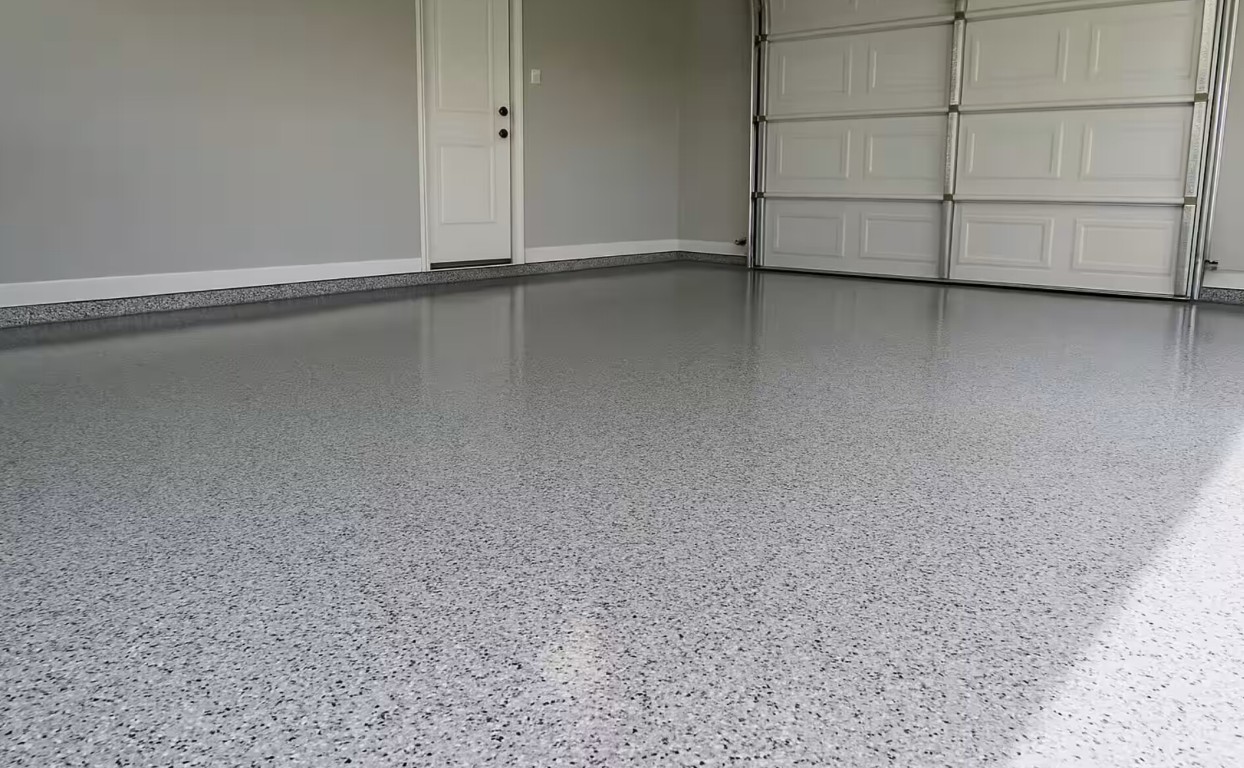
Why Epoxy and Coatings for Garage Floors
Your garage floor takes a beating from hot tires, oil drips, chemical spills, and constant traffic. Plain concrete is porous and stains easily, making your garage look dirty no matter how often you clean it. Epoxy coatings and other protective floor systems seal the concrete, creating a smooth, non-porous surface that resists stains, chemicals, and wear. The result is a garage floor that looks great, cleans up easily, and lasts for years without showing its age.
Epoxy coatings aren't just about looks. They make your garage more functional by brightening the space and making it easier to spot small parts or tools that fall on the floor. The glossy finish reflects light, reducing the need for additional lighting. Coated floors are also easier to sweep and mop because dirt and debris sit on the surface rather than settling into the concrete's pores. In Fort Eisenhower's humid climate, a sealed garage floor also helps reduce moisture problems and prevents musty odors.
At FH Fort Eisenhower Concrete, we install professional-grade epoxy and coating systems designed for residential and commercial garages. We properly prepare the concrete surface, which is the most critical step for long-lasting adhesion. We use quality products that stand up to Fort Eisenhower's temperature swings and heavy use. Whether you want a simple solid color or a decorative flake system, we'll create a garage floor that transforms your space and makes you actually want to park inside.
Benefits of Epoxy and Coating Systems
- Resists oil, chemicals, and stains better than bare concrete
- Easy to clean with just sweeping and occasional mopping
- Brightens garage with reflective, glossy finish
- Hides imperfections in existing concrete
- Available in solid colors or decorative flake patterns
- Protects concrete from moisture and wear
- Increases home value and improves garage appearance
Types of Garage Floor Coatings
Several types of floor coatings are available, each with different characteristics and price points. We'll help you choose the right system based on your budget, how you use your garage, and the condition of your existing floor.
100 Percent Solids Epoxy
This is the premium option and what we recommend for most garage floors. 100 percent solids epoxy contains no solvents or water, meaning everything you apply stays on the floor as a thick, durable coating. It's the most chemical-resistant and longest-lasting option, typically holding up for 10 to 20 years with proper care. We apply it in multiple coats, building up a thick, glass-like finish that can handle heavy vehicles and abuse. The downside is it requires professional installation and costs more than other options, but the durability and appearance are worth it.
Water-Based Epoxy
Water-based epoxy is more affordable and easier to apply than 100 percent solids, but it's not as durable. It goes on thinner and may require more frequent recoating, typically every 3 to 7 years. It works well for light-duty garages or workshops where you want improved appearance and stain resistance but don't need maximum durability. Water-based products also have less odor during application, which can be important if your garage is attached to your home. We can still add decorative flakes for a custom look.
Polyurethane and Hybrid Systems
Polyurethane coatings are often applied as a clear topcoat over epoxy for added UV resistance and durability. They're more flexible than epoxy, which helps them resist cracking from thermal expansion. Some newer hybrid systems combine the best properties of epoxy and polyurethane for maximum performance. These systems cost more but provide superior protection against hot tire pickup, chemicals, and abrasion. We recommend them for high-end garages or commercial applications where performance is the top priority.
Decorative Options and Colors
Solid colors like gray, tan, and blue are classic choices that hide dirt well. For a more custom look, we can broadcast decorative flakes into the wet epoxy. These colored chips add visual interest, help hide imperfections, and provide a slip-resistant texture. Flakes come in various color blends to match any style. If you're also upgrading your driveway or working on other concrete projects, we can coordinate colors for a cohesive look across your property.
Installation Process and Surface Preparation
The success of any epoxy or coating system depends on proper surface preparation. If the concrete isn't prepared correctly, the coating won't bond properly and will peel or flake off within months. This is where most DIY jobs fail and why professional installation matters. We take the time to do the prep work right, which ensures your floor coating lasts for years.
Cleaning and Surface Profile
We start by thoroughly cleaning the floor to remove oil, grease, dirt, and any existing coatings or sealers. Oil stains are treated with degreasers, and stubborn contaminants are mechanically removed. Then we profile the concrete surface using diamond grinding or acid etching. This opens up the concrete's pores and creates a rough texture that the epoxy can grip. Without proper profiling, the coating won't bond and will peel. We also repair any cracks or damaged areas before coating, filling them with epoxy or concrete filler depending on the size.
Moisture Testing and Temperature Control
Moisture is epoxy's enemy. If your concrete slab has high moisture content or vapor transmission, the coating will fail. We test for moisture issues before starting any job, especially on newer concrete slabs. Temperature also matters because epoxy cures differently in hot versus cold conditions. We schedule installations when temperatures are in the ideal range and the concrete is dry. Fort Eisenhower's humidity can be challenging, so we often use dehumidifiers and fans to control conditions during application and curing.
Application and Curing
Once the floor is prepped, we apply a primer coat to ensure maximum adhesion. Then we roll on the epoxy base coat, working in sections to maintain a wet edge. If you've chosen a flake system, we broadcast the colored chips while the epoxy is still wet, then apply a clear topcoat to seal everything in. The floor needs to cure for 24 hours before light foot traffic and 5 to 7 days before driving on it. We provide detailed care instructions and recommend waiting at least 30 days before parking hot vehicles or placing heavy items on the floor. Proper curing is essential for achieving full hardness and chemical resistance.