Concrete Slab & Foundation Work
Build your home, garage, or shed on a solid foundation that lasts for generations.
The Importance of a Quality Foundation
Your foundation is literally what holds up your entire structure. Whether you're building a new home, adding a garage, or constructing a shed or workshop, you need a concrete slab that can handle the weight and resist settling. A poorly built foundation leads to cracked walls, uneven floors, and doors that won't close properly. In Fort Eisenhower's clay-heavy soil, where moisture levels fluctuate and the ground shifts, foundation work requires expertise and precision.
At FH Fort Eisenhower Concrete, your local concrete slab contractor, we've poured hundreds of slabs and foundations across the area. We know how to assess soil conditions, design for proper drainage, and reinforce the slab to prevent cracking and movement. We follow local building codes and work closely with inspectors to ensure your foundation passes every requirement. This attention to detail gives you peace of mind and protects your investment for decades.
A quality foundation does more than just support weight. It also protects against moisture, provides a level surface for construction, and acts as a barrier against pests like termites. For homes, a properly installed slab foundation includes vapor barriers, insulation, and reinforcement that meet energy efficiency standards. For garages and outbuildings, we design the slab to handle heavy loads from vehicles, equipment, and storage without settling or cracking.
Benefits of Professional Slab and Foundation Work
- Prevents structural issues like cracked walls and uneven floors
- Designed to handle local soil conditions and moisture levels
- Meets or exceeds building codes and passes inspections
- Includes proper reinforcement to prevent settling and movement
- Protects against moisture, pests, and foundation failure
- Provides a level, stable base for construction
- Lasts the lifetime of the structure with proper installation
Types of Concrete Slabs We Install
Different structures need different types of slabs. We design and install foundations for homes, garages, sheds, workshops, and commercial buildings. Each project requires specific thickness, reinforcement, and preparation based on the building's weight, intended use, and site conditions. Here's what we offer:
Residential Foundation Slabs
For new homes and major additions, we pour monolithic slab foundations that integrate the footing and floor into one continuous piece. This approach works well in Fort Eisenhower's climate and soil, providing a strong, stable base that resists settling. We install vapor barriers to block ground moisture, add insulation for energy efficiency, and place rebar or wire mesh for reinforcement. All work is coordinated with your builder and inspected at each stage to ensure compliance with building codes.
Garage and Workshop Slabs
Garage slabs need to handle heavy vehicles, tools, and equipment without cracking. We typically pour 5 to 6 inches of concrete with fiber or steel reinforcement for extra strength. Proper drainage is critical to prevent water from pooling, so we grade the slab with a slight slope toward the door or drain. If you're planning to add epoxy coatings or garage floor finishes, we'll ensure the surface is smooth and properly sealed for adhesion.
Shed, Barn, and Outbuilding Slabs
Smaller structures like sheds and barns still need a solid foundation, especially if you're storing heavy equipment or vehicles. We design slabs that are thick enough to support the load while keeping costs reasonable. Proper site prep is key here because even a small shed can crack or settle if the ground isn't prepared correctly. We excavate, compact the base, and pour a reinforced slab that will last as long as the building itself.
Commercial and Industrial Slabs
Commercial projects require larger, thicker slabs designed to meet specific load requirements. We work with engineers and architects to ensure your foundation meets all specifications and regulations. From retail buildings to warehouses, we have the experience and equipment to handle large pours and complex site conditions. We also coordinate with other trades to install utility conduits, drains, and anchor bolts before the pour.
Our Foundation Installation Process
Pouring a foundation is a multi-step process that requires careful planning and execution. We start with a thorough site evaluation to check soil type, drainage patterns, and any potential issues like high water tables or tree roots. This information helps us design the right foundation for your specific location. Then we handle all the excavation, grading, and base work to create a stable platform for the concrete.
Site Preparation and Excavation
We excavate to the depth specified in your building plans, removing all topsoil, roots, and debris. Then we grade the area to ensure proper drainage away from the foundation. A compacted gravel base is installed to provide drainage and prevent settling. In areas with poor soil, we may need to add extra base material or use soil stabilization techniques. This prep work is critical because any settling or movement after the concrete is poured can cause major structural problems.
Forming, Reinforcement, and Utilities
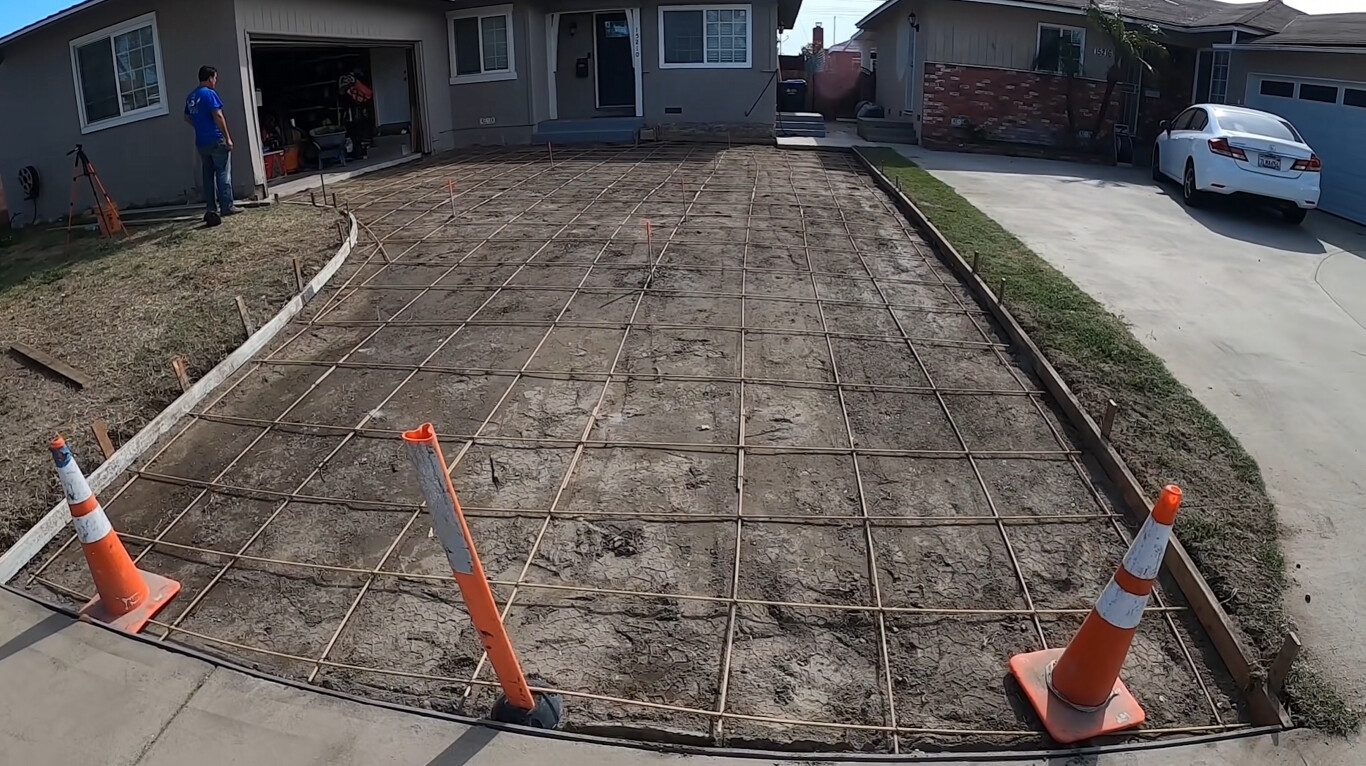
We set forms to define the edges of your slab and ensure the correct thickness. Rebar or wire mesh is installed according to engineering specifications, providing tensile strength that prevents cracking. If your project requires plumbing, electrical conduits, or anchor bolts, we coordinate the installation before the pour. All work is inspected and approved before we proceed to the concrete placement.
Concrete Placement and Finishing
We use high-quality concrete mix designed for foundation work and local conditions. The concrete is poured, spread, and leveled carefully to ensure uniform thickness and proper slopes. We finish the surface to the required smoothness, whether that's a rough broom finish for traction or a smooth trowel finish for living spaces. Control joints are cut to manage cracking, and a curing compound is applied to help the concrete reach full strength. Most foundations are ready for construction to begin within 7 to 14 days, depending on weather and project requirements.
Throughout the entire process, we maintain open communication with you, your builder, and inspectors. We handle all the details so your project stays on schedule and meets every requirement. If you're also planning driveway or patio work, we can coordinate multiple pours to create a cohesive look and save time.